


What Does the Bible Teach About Animals?
Reading time: 7 minutes
*The teachings of this article are written with the help of AI.
My visit to Stara Zagora Zoo was an extraordinary experience. From cycling through the park to standing face-to-face with wild animals, it was both fascinating and terrifying at times. This experience made me think about the place of animals in Christianity.
My Experience at Stara Zagora Zoo
My visit begins at the bird enclosure, where I admire several beautiful species. Next, I make my way to the lion’s cage. Even though the lion is behind bars, my heart starts pounding, and I feel afraid. Stories of animals escaping from zoos flash through my mind, making the encounter even more intense.
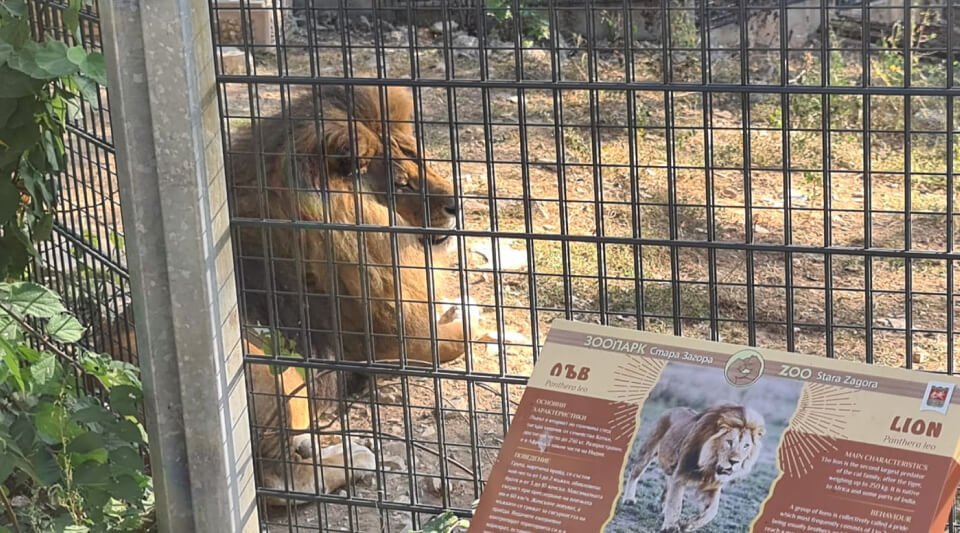
The Lion in the Zoo in Stara Zagora
Moving on, I see a bear, a tiger, and a Bengal tiger. The tiger climbs a tall tree inside its enclosure, and I think that if it manages to make a giant leap, it could escape. So, I decide to move away.
Next, a lynx catches my attention as it hisses at me from its cage while I stare at it. The unnerving sound sends a chill down my spine.
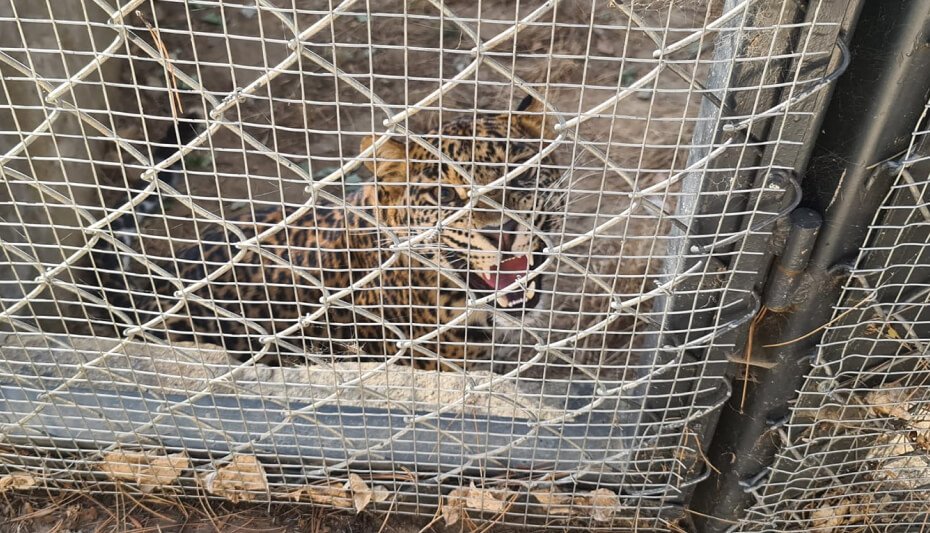
A Lynx Hisses at Me
At the monkey enclosure, the animals seem playful, but their antics feel more mocking than amusing. This reminds me that animals act largely on instinct. They hunt, fight, and reproduce without the same moral responsibility that the Bible associates with human beings.
The wolves are the most unsettling. As I stare into the eyes of one of them, I sense raw, primal energy associated with hatred, death, and violence. They seem almost like demons, driven by what I perceive as a single instinct: to kill.
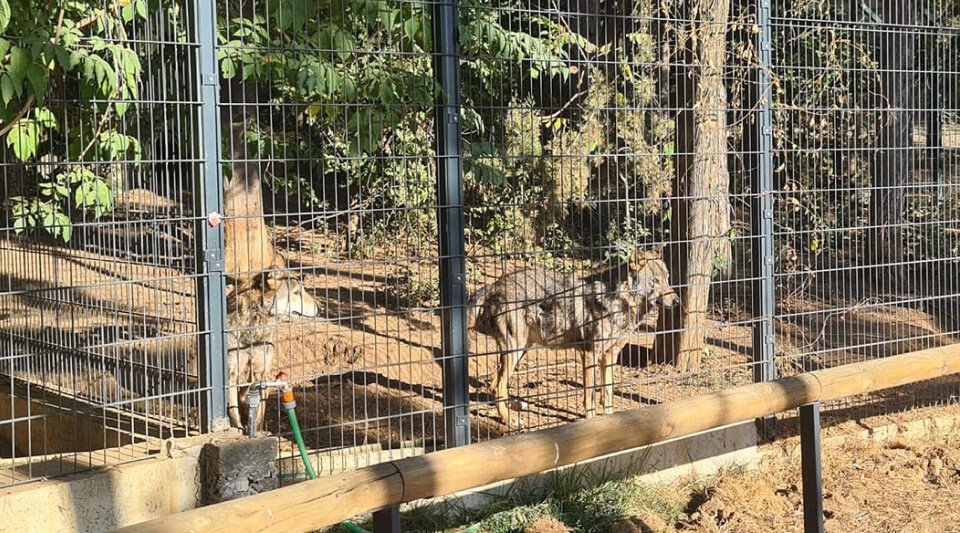
The Wolfs in Their Cage
An ostrich follows me as I pass by its enclosure. Its behavior feels oddly human, reminding me of a female friend of mine. 🙂
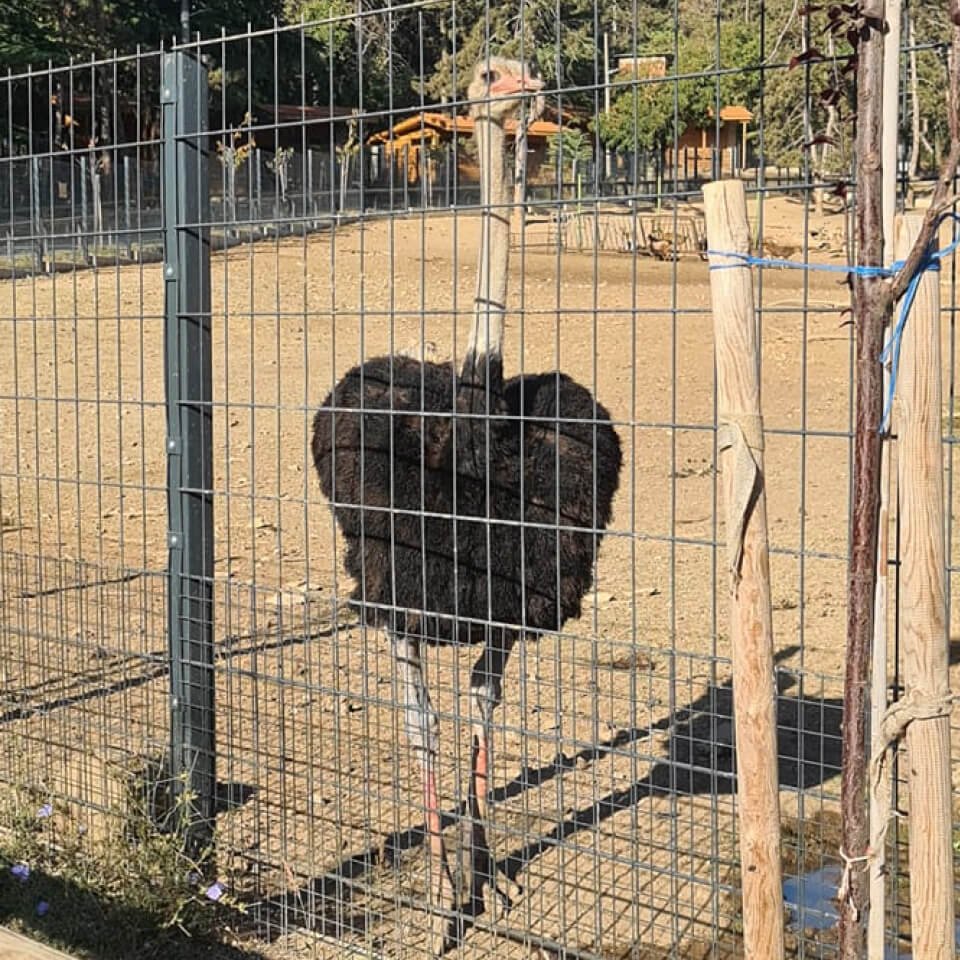
The Ostrich Reminded Me of a Female Friend of Mine 🙂
All these experiences make me think about the place of animals according to Christianity. As I look into the eyes of wild predators, I perceive what seems to be hatred and an instinct to kill. Herbivores appear somewhat different to me because they seem calmer and less aggressive.
But what does the Bible say about animals?
Do Animals Have a Soul?
Both humans and animals are created by God and described in the Bible as living creatures. However, only humans are explicitly described as being created in God’s image. This gives human beings a unique place in creation and a special relationship with their Creator.
The Bible does not clearly explain whether animals have a spirit in the same sense as humans or whether they share the same eternal destiny. Human beings are called to seek God and are promised eternal life through Jesus Christ. The Bible does not make the same explicit promise about animals.
Can Animals Distinguish Between Right and Wrong?
The Bible does not describe animals as having the same moral responsibility as human beings.
You may see a dog looking ashamed after doing something forbidden, but this behavior may result from its learned response to its owner’s anger rather than a human-like understanding of right and wrong.

A dog – Pexels.com
Similarly, you may see one animal helping another, but such behavior does not necessarily represent a conscious sense of moral duty. It may be influenced by instinct, social bonds, or learned behavior.
The knowledge of good and evil is associated with the story of Adam and Eve and the forbidden fruit. In Genesis 3:22, after Adam and Eve eat the forbidden fruit, God says:
“Behold, the man is become as one of us, to know good and evil.” – Genesis 3:22

Adam and Eve by Lucas Cranach the Elder – Wikimedia Commons
What Basic Instincts Do Animals Have?
Animals generally have the following basic instincts:
- Survival — Avoiding danger and protecting themselves.
- Hunger and thirst — Seeking food and water.
- Reproduction — Mating and producing offspring.
- Parental care — Protecting and feeding their young.
- Self-preservation — Resting, seeking shelter, and recovering from injury.
- Social bonding — Forming groups, recognizing companions, and cooperating.
- Territoriality — Defending their living space or resources.
- Fear and escape — Reacting to threats.
- Curiosity and exploration — Investigating their surroundings.
- Play — Practicing skills and learning, especially in young animals.
Animals are driven by instincts that help them survive, reproduce, protect their young, and interact with their environment. These instincts vary greatly between species, and animals can also learn from experience.
What Makes Humans Different from Animals?
According to the Bible, the main differences between humans and animals are:
- God’s image — Humans are created in God’s image (Genesis 1:26–27), while animals are not described this way.
- Moral responsibility — Humans receive God’s commandments and are accountable for their choices.
- A spiritual relationship with God — Humans are called to know, love, worship, and obey their Creator.
- Moral knowledge — Humans are associated with the knowledge of good and evil (Genesis 3:22).
- Eternal life — The Bible promises eternal life through Jesus Christ to those who believe in Him. It makes no equivalent explicit promise concerning animals.
- Dominion and stewardship — Humans are entrusted with responsibility for the earth and its creatures (Genesis 1:28).
Both humans and animals are created by God and are associated with the breath of life. However, the Bible gives human beings a unique spiritual relationship with God, moral responsibility, and a special role in creation.
Our Duty as Christians Toward Animals
“The righteous care for the needs of their animals, but the kindest acts of the wicked are cruel” – Proverbs 12:10

A Cow – Pexels.com
A Christian should treat animals under their care with kindness, compassion, and respect as God’s creatures.
- Show compassion — “A righteous man regardeth the life of his beast.” (Proverbs 12:10).
- Avoid cruelty — Never cause unnecessary pain or suffering.
- Provide proper care — Give animals food, water, shelter, and medical attention when needed.
- Respect God’s creation — Recognize that animals are part of God’s creation and that we are entrusted with their care.
- Use animals responsibly — If animals are used for food or work, treat them humanely.
A Christian should treat animals with mercy, remembering that kindness toward God’s creatures reflects a righteous heart.
On the other hand, wild predators and aggressive or dangerous animals must not be approached recklessly or allowed to endanger human life. We can respect God’s creation while maintaining appropriate boundaries and protecting human safety.
Which Animals Can We Eat According to the Bible?
According to the Bible, the answer depends on whether we follow the dietary laws of the Old Testament or the teachings of the New Testament.
Animals Permitted Under the Old Testament
Land animals: Those that have split hooves and chew the cud, such as cows, sheep, goats, and deer.
Fish and other water creatures: Those with fins and scales, such as salmon and carp.
Birds: The Bible permits certain birds but prohibits others. Leviticus 11 lists prohibited birds.
Examples of prohibited animals include:
- Pigs — They have split hooves but do not chew the cud.
- Rabbits and hares.
- Camels.
- Shellfish, such as shrimp, crabs, and oysters, which do not have fins and scales.
Read Leviticus 11 and Deuteronomy 14 for the full lists.
What About the New Testament?
Many Christians understand the New Testament to permit all foods. They point to Mark 7:18–19 and Acts 10:9–16. Other Christians interpret these passages differently.
Romans 14:14 and 1 Timothy 4:4–5 also teach that food is not inherently unclean when received with thanksgiving.
Under the Old Testament dietary laws, only certain animals are permitted. Most Christians believe these restrictions no longer apply under the New Covenant through Jesus Christ.
Personally, I decide to follow a vegetarian diet, eating fish only once or twice a week, and I feel best doing so.
I thought visiting the zoo would be purely fun, but it turned out to be more frightening than I had expected. The sounds of wild animals echoed in my ears, and I even had nightmares. Although animals are part of God’s creation, they are not described as being created in His image in the same way as human beings. As Christians, we should treat animals under our care with kindness and mercy.